



Glazing Bead Removal Made Simple for Cleaner Replacements
When it comes to maintaining the pristine condition of your windows, glazing bead removal is a crucial step. This process, essential for homeowners in Dallas, TX, and beyond, allows for the replacement or cleaning of window panes without causing damage. Understanding the right tools and methods can make a significant difference in the outcome. It ensures that the beauty and integrity of your windows are preserved.
Glazing bead removal might seem daunting at first, but with the correct approach, it’s quite manageable. Whether you’re in Plano, TX, looking to update your home’s aesthetic or in Dallas seeking to enhance energy efficiency, removing glazing beads carefully is key. Knowing the safest techniques and tools will not only protect your windows but also save you time and effort.
For many, the thought of tackling window maintenance tasks like glazing bead removal can be intimidating. However, armed with a bit of knowledge and the right equipment, anyone can achieve professional-looking results. The process involves gentle precision to avoid cracking or scratching the glass, a concern for many homeowners striving to maintain their property’s value.
Embarking on a glazing bead removal project requires patience and attention to detail. By following safe methods, you can ensure a cleaner, damage-free replacement or cleaning of your window panes. This not only enhances the appearance of your home in cities like Dallas and Plano, TX but also contributes to its overall energy efficiency. With the right approach, glazing bead removal becomes a simple, stress-free task.
Understanding Glazing Beads and Their Importance
Before diving into the process of glazing bead removal, it’s essential to understand what glazing beads are. These strips, typically made of wood, vinyl, or aluminum, hold the window pane in place. Their role is crucial for both the stability of the pane and the window’s overall insulation. Recognizing their importance helps in appreciating the need for careful removal and replacement.
In cities like Dallas, TX, where weather conditions can vary greatly, the condition of glazing beads becomes even more significant. Properly installed beads ensure that windows are sealed against the elements, contributing to energy efficiency. When they wear out or get damaged, it’s time for glazing bead removal. This step is vital for maintaining not just the window’s appearance but also its functionality.
The process of removing glazing beads without causing damage requires specific tools. A putty knife, a flat-head screwdriver, and a pair of needle-nose pliers are often enough to get the job done. Starting with gentle prying at the corners can help loosen the bead without harming the window frame or pane. These tools, when used correctly, make the removal process smooth and manageable.
After removing the glazing beads, inspecting the window frame and pane for any signs of damage is wise. In Plano, TX, and other areas, checking for moisture damage or rot is crucial, especially in wooden frames. This inspection can prevent future problems and ensure that the new or cleaned glazing beads contribute effectively to the window’s insulation and appearance. With careful attention to detail, glazing bead removal becomes a straightforward task that enhances your home’s value and efficiency.

Tools Needed for Glazing Bead Removal
For those in Dallas, TX, embarking on glazing bead removal, gathering the right tools is the first step. A putty knife is indispensable for this task, allowing for precise and gentle prying away of the bead from the window frame. This tool, when used carefully, minimizes the risk of damaging the glass or frame, ensuring a smooth start to the process. It’s essential for homeowners to have this tool on hand before beginning their project.
Next, a flat-head screwdriver proves to be another crucial tool for effectively removing glazing beads. Its slim profile is perfect for slipping into tighter spaces where the putty knife might not reach. By applying gentle pressure, the screwdriver can help pop the bead out of its groove without exerting undue force on the window. This method is especially useful in areas like Plano, TX, where windows might have settled or shifted over time.
In addition to the putty knife and screwdriver, a pair of needle-nose pliers can be extremely helpful. These pliers are ideal for grabbing and pulling out any stubborn pieces of the glazing bead that refuse to budge. Their long, thin tips can reach into small gaps, providing the leverage needed to remove pieces without causing harm. This tool is a must-have for ensuring the thorough and safe removal of all parts of the bead.
Lastly, having a small, soft-bristled brush on hand can assist in the cleanup process after the glazing bead removal. This brush can gently sweep away any debris or dust from the window frame and pane, preparing the surface for the new or cleaned bead’s installation. For residents in Dallas and Plano, TX, this step is crucial for maintaining the window’s appearance and functionality. With these tools, glazing bead removal becomes an efficient and damage-free task.
Step-by-Step Guide to Glazing Bead Removal
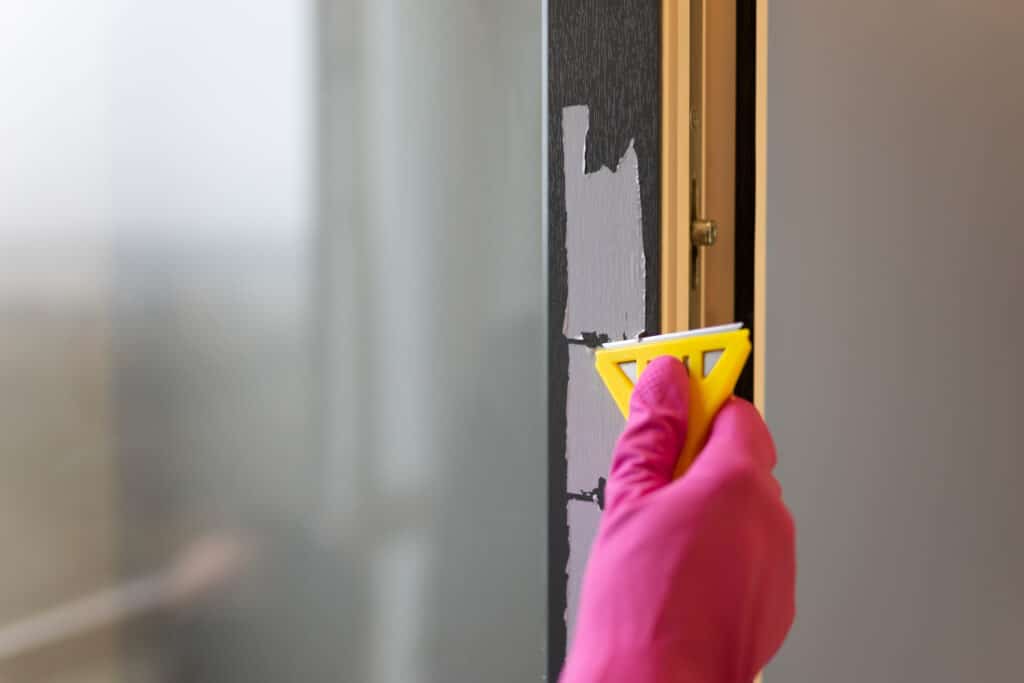
Starting glazing bead removal begins with gently inserting the putty knife under the bead’s edge. This action should be done carefully to avoid any damage to the window frame or pane. Once you have a slight opening, apply a small amount of pressure to lift the bead away. This method ensures a clean start to the removal process, setting the stage for a smoother operation.
After creating an initial gap with the putty knife, switch to the flat-head screwdriver for more precision. Slide it into the space you’ve made to gently pry the bead further away from the frame. This step requires a steady hand to maintain control and avoid any harm to the window. It’s an effective way to continue the removal without causing any scratches or damage.
If you encounter any parts of the bead that are particularly stubborn, the needle-nose pliers come in handy. Grip the tough sections with the pliers and gently wiggle them to loosen their hold. This tool allows for precise handling and removal of small or difficult pieces, ensuring a thorough and clean removal process. It’s a crucial step for completely freeing the window from the old bead.
Finally, use the soft-bristled brush to clean the area from which you’ve removed the bead. Sweep away any debris or dust to prepare the frame for the new or cleaned bead’s installation. This last step is essential for a neat and tidy finish, leaving your window looking as good as new. With the area clean, you’re ready to proceed with the replacement, concluding the glazing bead removal process efficiently.
Tips to Prevent Damage During Glazing Bead Removal
To prevent damage during glazing bead removal, a steady and gentle approach is key. Start by softly pushing the putty knife under the bead’s edge, being careful not to force it. This gentle nudge helps in loosening the bead without harming the surrounding area. It’s a crucial step for those in Dallas, TX, aiming for a damage-free removal process.
Switching to the flat-head screwdriver allows for more precise maneuvering. Slide it into the gap created by the putty knife, and with slight pressure, pry the bead further. This method offers better control, reducing the risk of scratching the glass or frame. It’s especially helpful in Plano, TX, where older windows may require a more delicate touch.
For beads that resist removal, the needle-nose pliers prove invaluable. Gently grip and wiggle the stubborn sections to loosen them without applying excessive force. This technique ensures that even the most challenging parts can be removed cleanly, maintaining the integrity of the window structure.
Lastly, cleaning the frame with a soft-bristled brush prepares it for the new bead. This step removes any leftover debris, ensuring a clean surface for reinstallation. It’s an essential part of the process, contributing to a polished and professional-looking finish. With these tips, glazing bead removal becomes a straightforward task that safeguards your windows against damage.
How to Prepare for Glazing Bead Replacement
After successfully removing the glazing bead, it’s essential to prepare for the replacement to ensure a seamless fit and finish. Inspecting the window frame for any irregularities or damage is the first step. This can include checking for warping, cracks, or any signs of wear that could affect the new bead’s installation. Addressing these issues beforehand in Dallas, TX, homes guarantees a smoother replacement process.
Next, measuring the window frame accurately is crucial for selecting the right size glazing bead. Using a tape measure, record the dimensions of the frame where the bead will sit. This precision ensures that the new bead fits perfectly, preventing any gaps that could compromise the window’s insulation. In Plano, TX, where temperatures can fluctuate, a well-fitted glazing bead is key to maintaining energy efficiency.
Cleaning the groove where the glazing bead will be installed is another important preparation step. Removing any old sealant, dust, or debris with a small brush or vacuum can help the new bead adhere better. This cleanliness is vital for both the bead’s appearance and its functional role in sealing the window. A clean groove means a stronger, more durable fit for homes in any area.
Lastly, gathering all necessary tools and materials for the glazing bead replacement before starting the project saves time and ensures efficiency. This includes the new bead, a rubber mallet for gentle installation, and sealant for securing the bead in place. Having everything on hand allows residents in Dallas and Plano, TX, to approach the replacement process confidently, knowing they are prepared for a successful outcome.
Glazing Bead Removal Safety Precautions
When undertaking glazing bead removal, safety should always be your top priority. Wearing protective gloves is a wise choice to prevent cuts from sharp edges or broken glass. Eye protection is equally important, as small particles can fly up during the removal process. These precautions are especially crucial for homeowners in Dallas, TX, where DIY home improvement projects are popular.
Another key safety measure is to work slowly and methodically. Rushing can not only lead to mistakes but also increase the risk of injury. It’s beneficial to have a clear workspace free of clutter to avoid any unnecessary accidents. Residents in Plano, TX, will find that taking their time ensures a smoother and safer glazing bead removal experience.
Using the right tools can also enhance safety during the removal process. Ensure that your tools are in good condition and suitable for the task at hand. Dull blades or improper tools can slip and cause injury, so selecting the right equipment is vital. This approach minimizes risks and makes the job easier to complete.
Lastly, if at any point the task becomes too challenging or dangerous, consider seeking professional help. There’s no shame in calling in experts to handle complicated or risky situations. For those in Dallas and Plano, TX, numerous professionals are skilled in glazing bead removal. They can complete the task safely and efficiently, protecting both you and your property.
Repairing Damage After Glazing Bead Removal
After the glazing bead removal, it’s not uncommon to find minor damages or imperfections on the window frame. These might include small scratches or dents where the bead was seated. In Dallas, TX, where the aesthetic of a home is as important as its functionality, addressing these issues promptly is crucial. A simple wood filler or sealant can work wonders in repairing these minor damages, ensuring the frame looks as good as new.
Once you’ve filled in any imperfections, sanding the area gently helps to create a smooth, even surface. This step is particularly important in Plano, TX, where the harsh weather can exacerbate any small damages if left unattended. Using a fine-grit sandpaper, lightly buff the filled areas until they’re flush with the rest of the frame. This not only improves the appearance but also prepares the surface for the new bead installation.
Applying a fresh coat of paint or sealant to the repaired frame can further protect it from future wear and tear. This is an essential step for maintaining the window’s integrity and ensuring it remains weatherproof. In areas like Dallas, TX, where the climate can vary, a high-quality exterior paint or sealant offers an additional layer of protection against the elements. It also enhances the window’s overall aesthetic, blending the repaired areas seamlessly with the original frame.
Finally, inspecting the window for any other areas that may need attention is a good practice. This could include checking the sealant around the glass pane or ensuring the remaining glazing beads are securely in place. In Plano, TX, taking the time to thoroughly inspect and address these details can prevent future issues. It ensures that your window not only looks great but also functions efficiently, keeping your home comfortable and energy-efficient.

When to Call a Professional for Glazing Bead Removal
While tackling glazing bead removal on your own can be a rewarding DIY project, there are instances when calling in a professional becomes necessary. If you’re in Dallas, TX, and find yourself facing a window that’s particularly old or delicate, the risk of damage increases. Professionals have the expertise and tools to handle these situations with care, ensuring the window’s integrity remains intact. Their experience allows them to navigate challenges that might stump the average homeowner, making the process smoother and safer.
In Plano, TX, another scenario that warrants professional help is when you encounter glazing beads that are painted over or sealed with caulk. Removing these without causing damage to the window frame or pane requires specialized techniques. A professional knows how to cut through these layers efficiently, minimizing harm to the underlying surfaces. This expertise is invaluable for preserving the appearance and functionality of your windows.
Sometimes, the issue may not be with the glazing bead itself but with the window frame. If during the removal process you discover rot or structural damage, it’s time to call in a professional. They can assess the extent of the damage and recommend the best course of action, whether it’s repair or replacement. This ensures that the problem is addressed at its root, preventing future complications and maintaining the home’s energy efficiency.
Lastly, for those who simply don’t have the time or inclination to tackle glazing bead removal, professionals offer a convenient solution. They can complete the job quickly and efficiently, saving you the hassle and ensuring the job is done right the first time. Whether you’re busy with work or prefer to spend your free time on other activities, hiring a professional can provide peace of mind, knowing that your windows are in expert hands.
Frequently Asked Questions
What tools are needed for glazing bead removal?
For glazing bead removal, a few basic tools are essential. A flathead screwdriver and a putty knife make the job easier. You’ll also need a pair of pliers for stubborn pieces. Together, these tools help safely remove glazing beads without causing damage.
How to identify when a glazing bead needs replacing?
To identify when a glazing bead needs replacing, look for signs of wear or damage. Cracks, warping, or discoloration indicate it’s time for a change. If the bead feels loose or allows drafts, it also needs replacement. Regular checks ensure timely glazing bead removal and replacement for optimal window performance.
Can glazing bead removal be a DIY project?
Yes, glazing bead removal can be a do-it-yourself task with the right tools and a bit of patience. Start by gathering the necessary equipment, such as a flathead screwdriver and pliers. Carefully follow the steps to avoid damaging the window frame. With attention to detail, homeowners can successfully remove glazing beads, preparing the way for clean replacements.
What are common mistakes in glazing bead removal?
When removing glazing beads, a common mistake is using too much force, which can crack or damage the frame. Another error is not using the right tools, leading to scratches on the glass or bead. Some people rush the process, skipping steps that protect the window’s integrity. Lastly, neglecting to measure the new bead accurately before installation can result in a poor fit and the need for redoing the work.
How long does glazing bead removal typically take?
Glazing bead removal usually takes a few minutes per window, depending on the bead’s condition and size. With the right tools, most homeowners can remove a bead in about 10 to 15 minutes. However, if the beads are painted over or very old, the process might take a bit longer. Patience and careful handling ensure a smooth removal without damaging the window frame.